Gaspar Cassadó has been my favorite cellist-composer for over half my life. His music is full of variety and imagination, and his arrangements are especially well-crafted. As someone who arranges music almost daily, I often look to Cassadó for inspiration. Although most of our repertoire is different, our musical tastes overlap in ways I find fascinating. Cassadó is one person I wish I could spend a week with, not just a day, talking about music.
Most of us play the music we love. Likewise, we arrange music we love, at least the music we arrange for ourselves to play. When I look at Cassadó's list of arrangements, I see some of my all-time favorite works: C. P. E. Bach's A-major Cello Concerto, Tchaikovsky's 18 Piano Pieces, Chopin's "Aeolian Harp" Etude, Saint-Saëns's Bourree for Left Hand, Tchaikovsky's Fifth Symphony slow movement, and Strauss's Der Rosenkavalier. Some of Cassadó's works are not readily available, like the ones that only exist in manuscript form. Because I love the works in his catalog so much, I started making my own arrangements of these pieces as an homage to my favorite cellist-composer. I have never seen his arrangements of Saint-Saëns's Bourrée or Tchaikovsky's Fifth, but I know how I would like to interpret them. Last year, I arranged the Saint-Saëns for cello solo (available here). I'm currently working on arranging Tchaikovsky's Fifth slow movement for cello and piano. As for Der Rosenkavalier, that's a future project.
Update, June 2025: Since writing this article, I have completed the arrangements listed above. I have also created several additional transcriptions as part of my Homage to Cassadó project.
This project is not an attempt to reconstruct Cassadó’s unpublished arrangements or to present my work as a substitute for the manuscripts. Rather, it is a creative response to the gaps in the Cassadó catalog. Where Cassadó’s own arrangements remain unavailable, I have used his known repertoire, cello writing, arranging habits, and musical taste as a point of departure for new transcriptions in his spirit.
Bach's B-flat major Prelude and Fugue from WTC 1 (for cello solo)
Bach's Wer nur den lieben Gott lässt walten, BWV 691 (for 4 cellos)
Handel - Suite in G major, HWV 441 (for cello solo)
Liszt's Hungarian Rhapsody No. 2
Rimsky-Korsakov's Rose and the Nightingale
Schubert's Introduction and Variations, Op. 82, No. 2, D. 968a
Schumann's Abendlied (for 4 cellos)
Weber's Concertino, Op. 26
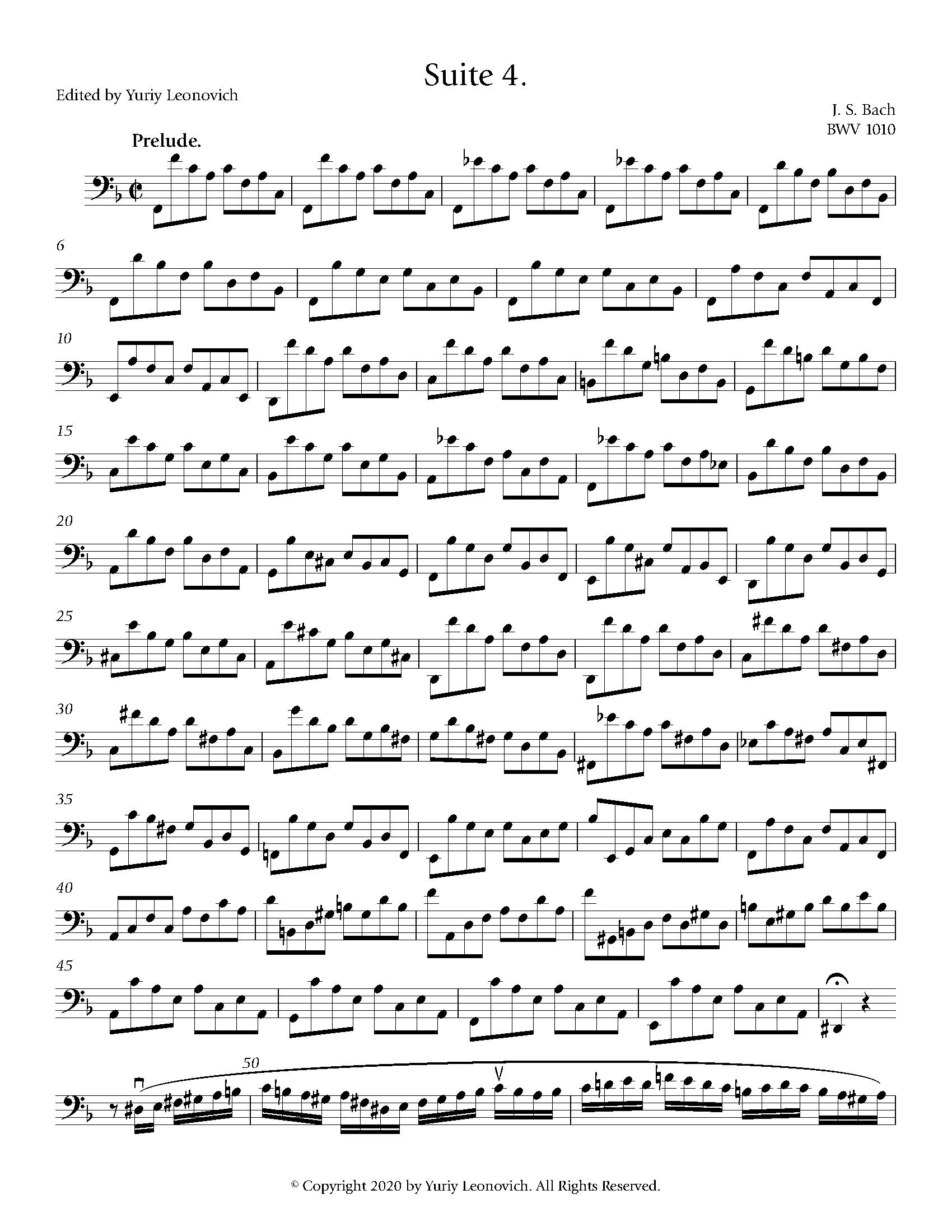
One thing I find especially interesting is Cassadó’s repeated choice of F major in his arrangements. He used F major for C. P. E. Bach’s Concerto, Chopin’s “Aeolian Harp” Étude, Mozart’s Sonata for Piano Four Hands, Liszt’s Liebestraum No. 3, and, most famously, J. S. Bach’s Fourth Suite.
Cassadó changed the keys of many works he arranged, something I am usually reluctant to do, but these five examples are especially curious. C. P. E. Bach’s Concerto works perfectly well in its original key of A major. Other arrangers, including Ferdinand Pollain and Lynn Harrell, have transposed parts of the concerto up an octave, but I remain partial to the original key and register. Chopin’s “Aeolian Harp,” originally in A-flat major, is not especially idiomatic in F major; I personally prefer it in G or C major. Mozart, on the other hand, works very naturally in F major, even though the original four-hand sonata is in B-flat.
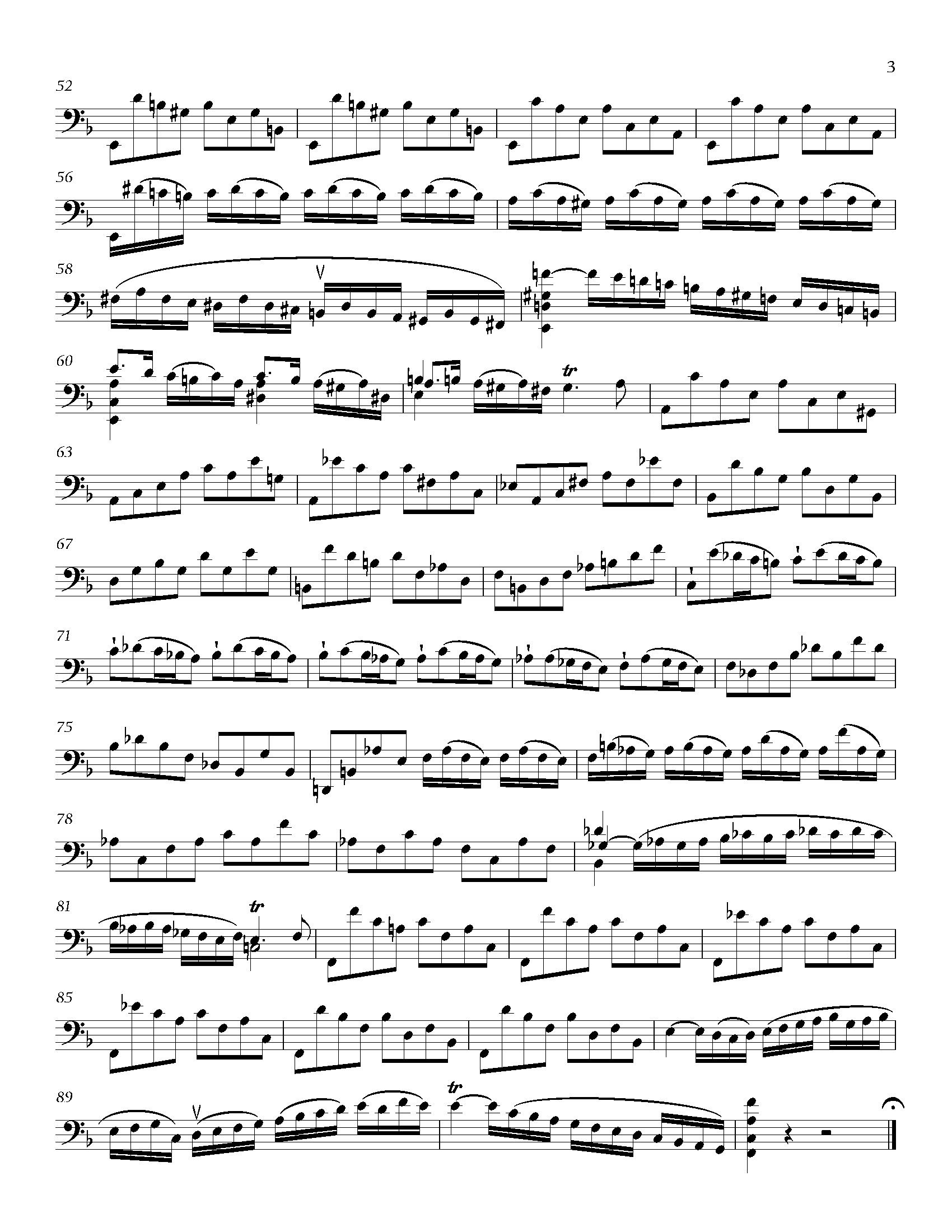
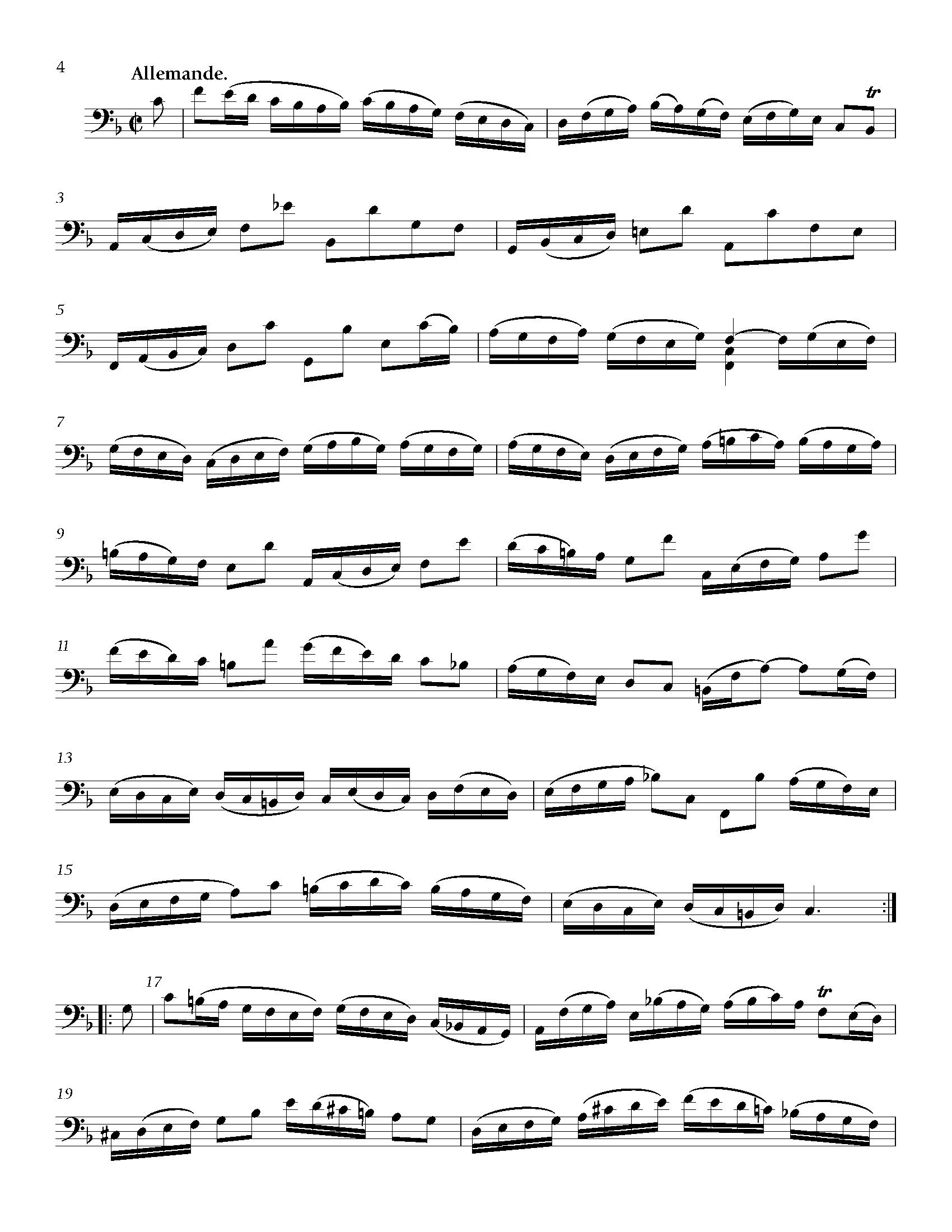
Of these five F-major transpositions, the one we can hear from Cassadó himself is Bach’s E-flat Suite. In F major, the suite is noticeably brighter than in the original key. Cassadó also takes advantage of the open A string whenever possible. Perhaps this was his response to the difficulty of the E-flat Suite, which in its original key offers the player very little help from open strings. In Bach’s first five suites, the writing rarely goes above the written G in fourth position. By transposing the Fourth Suite to F, Cassadó makes the open A string newly available, though in his own recording, he usually plays those notes as stopped notes, with vibrato, rather than as open strings or harmonics.
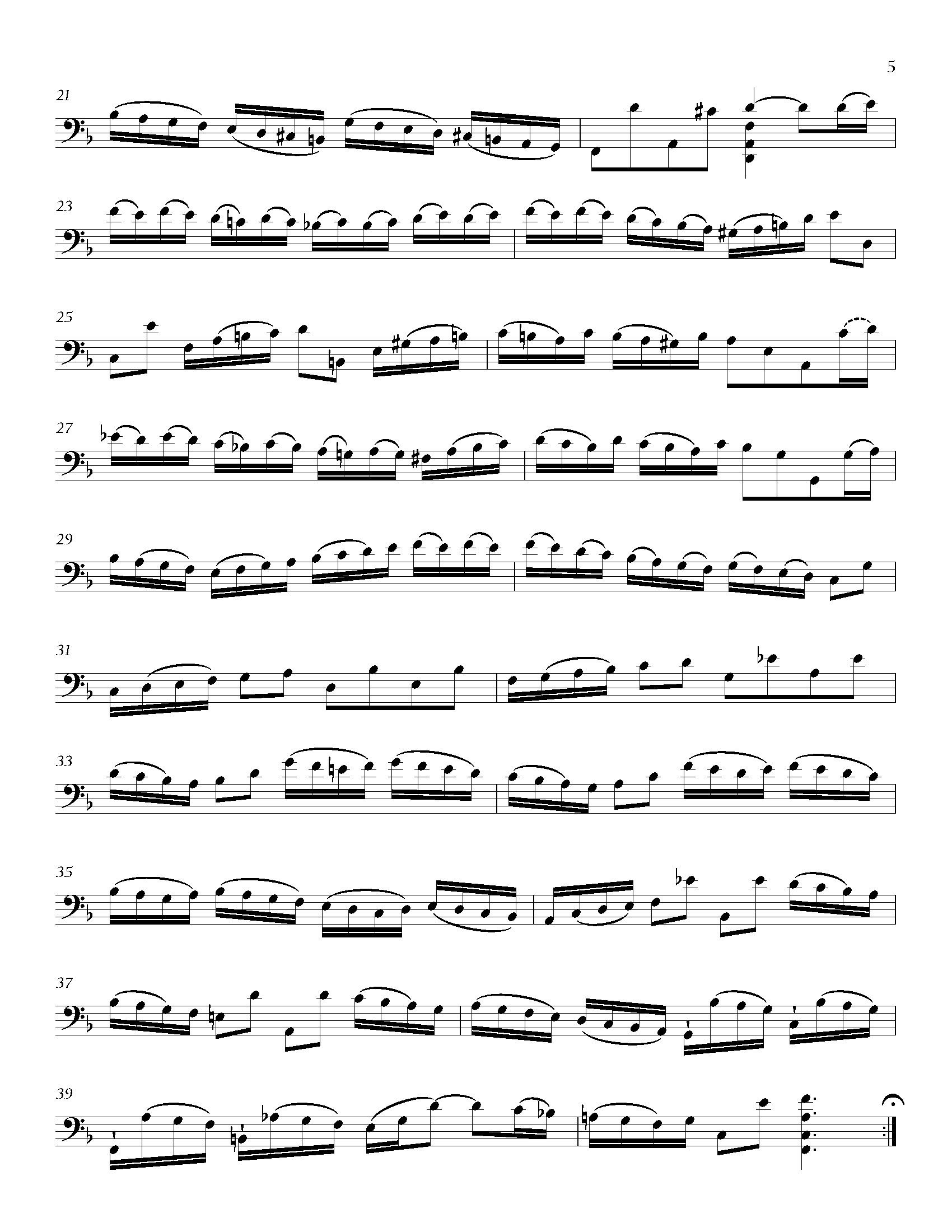
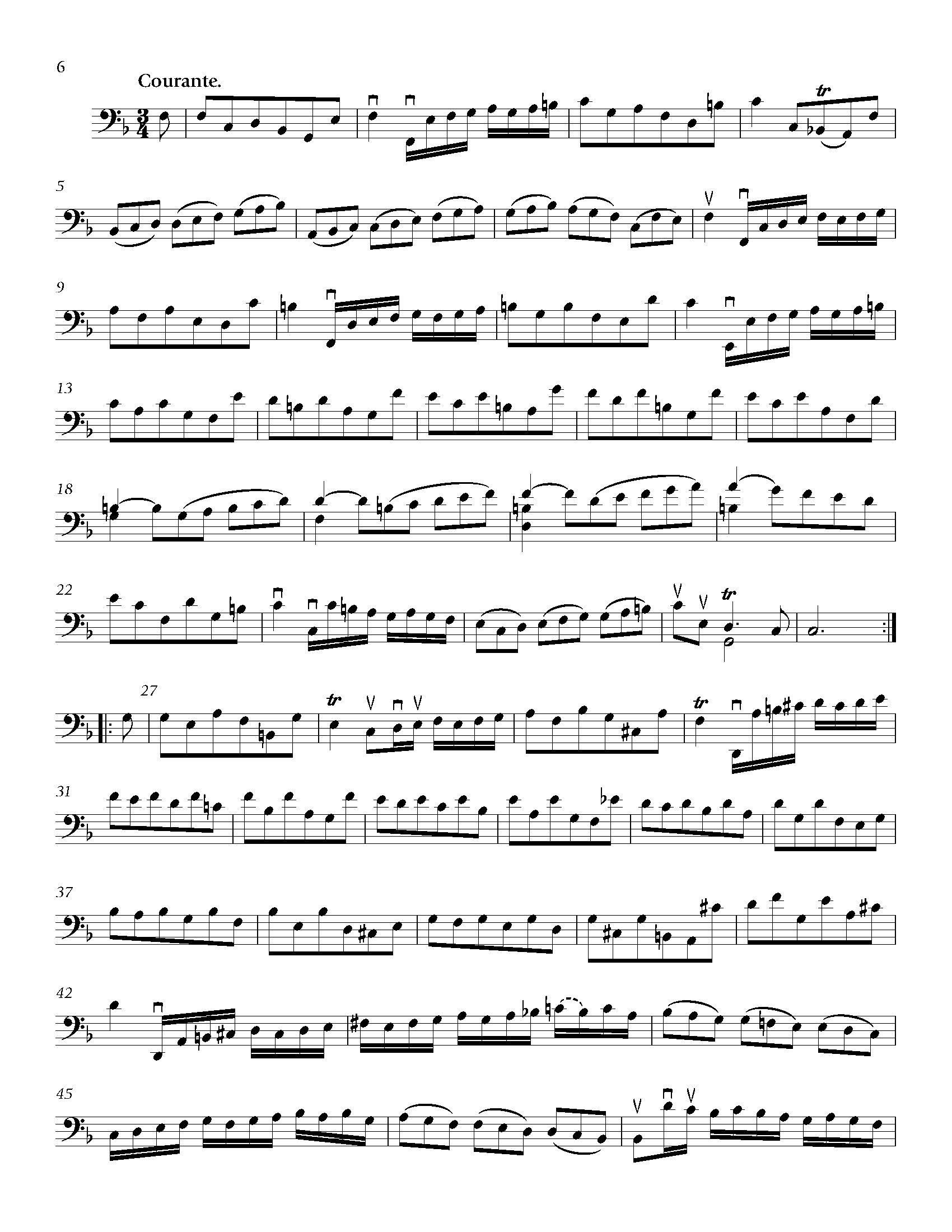
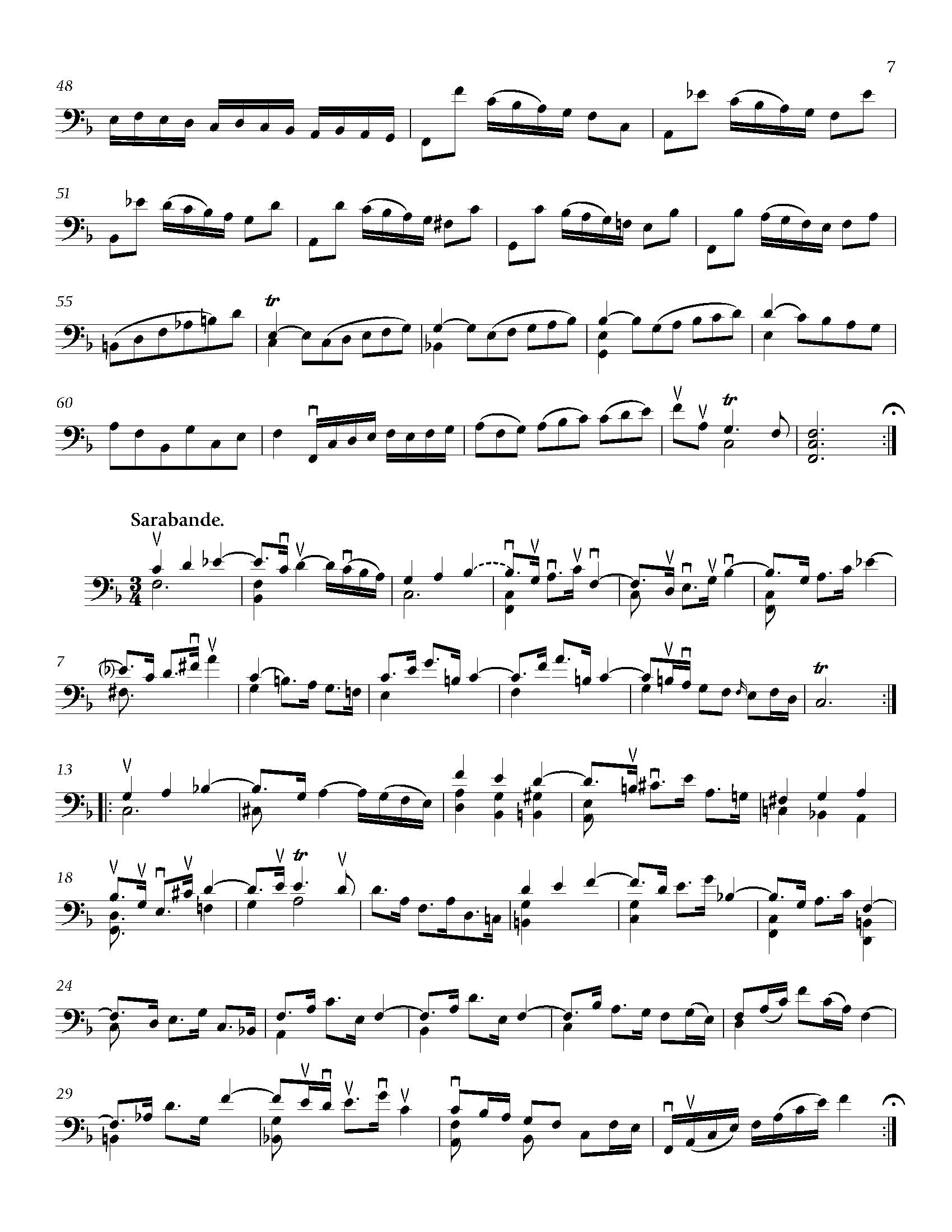
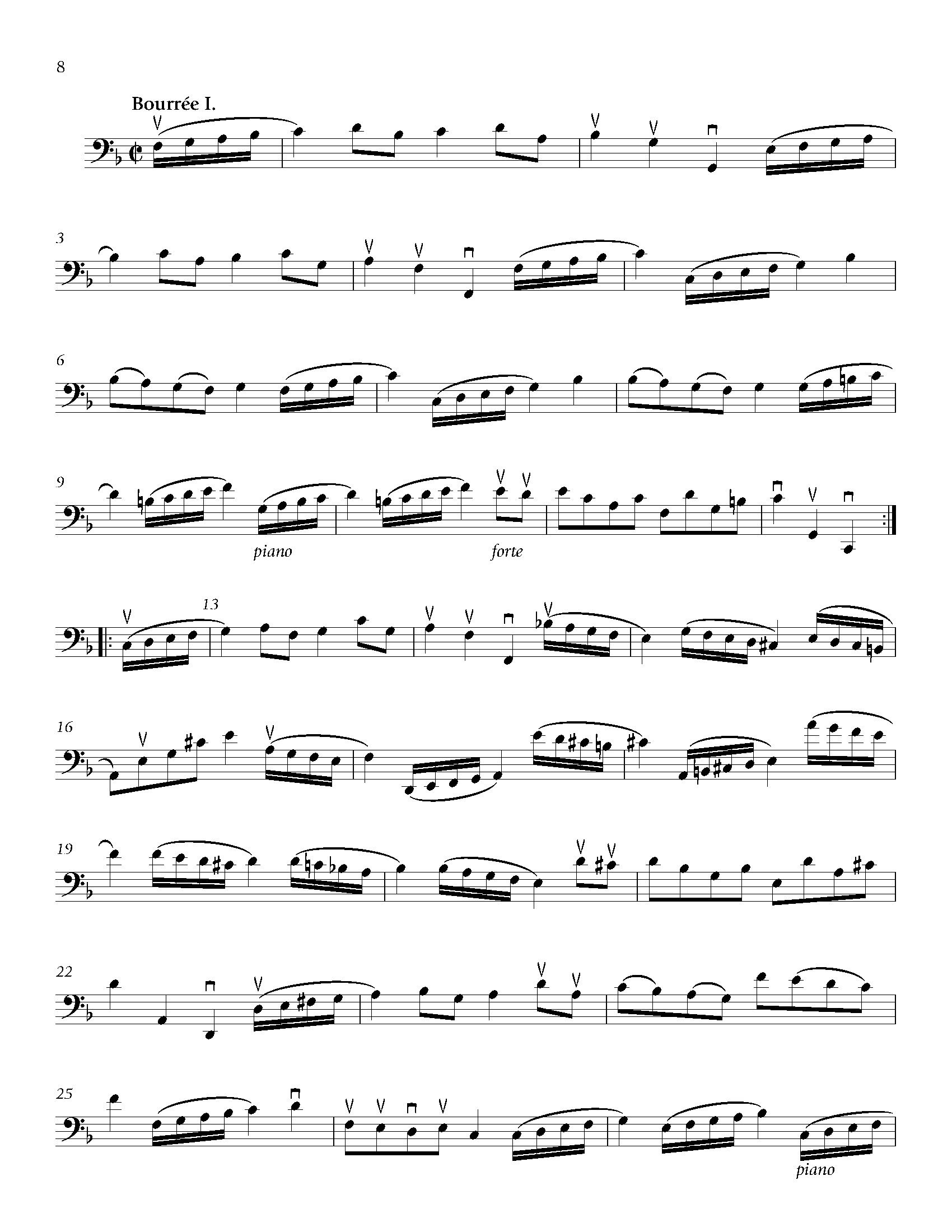
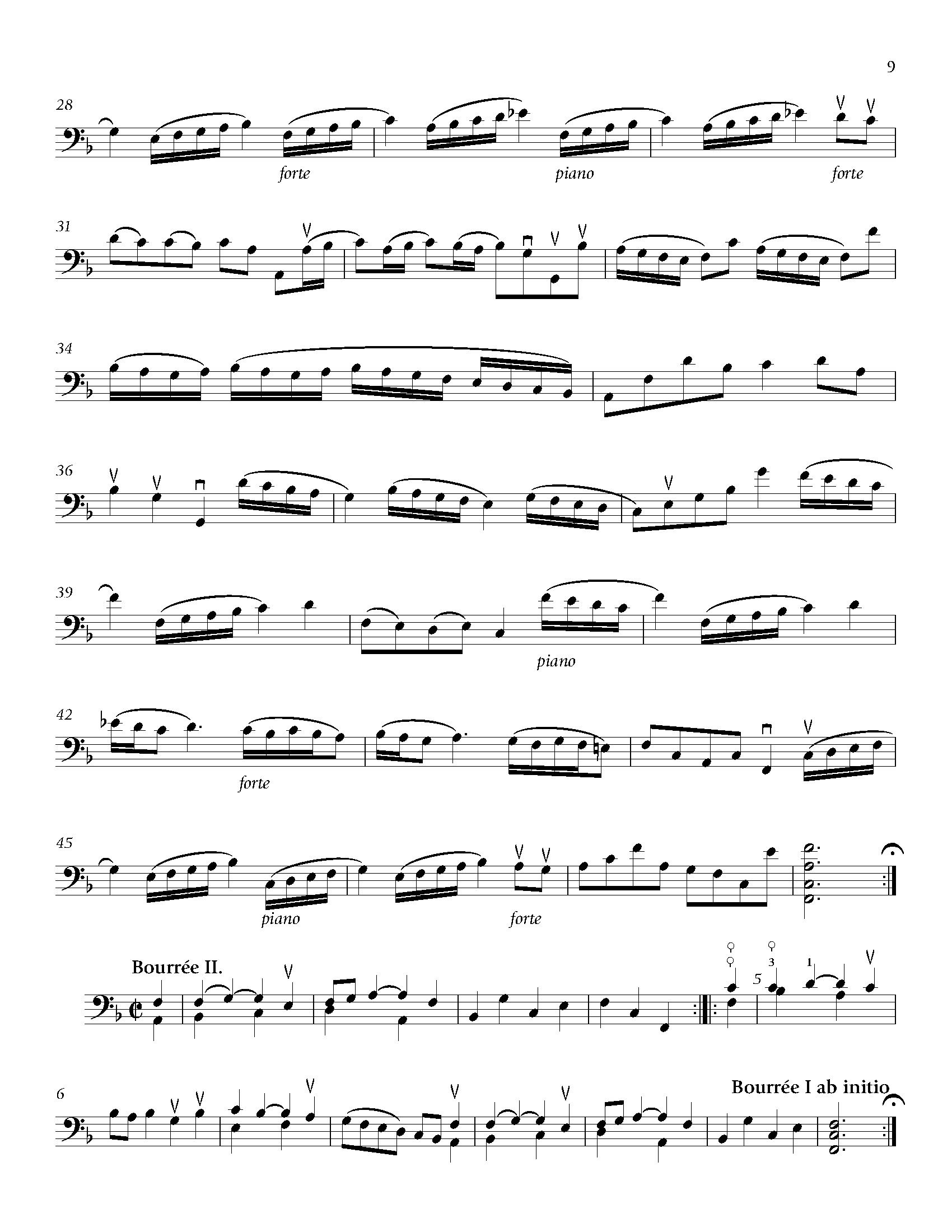
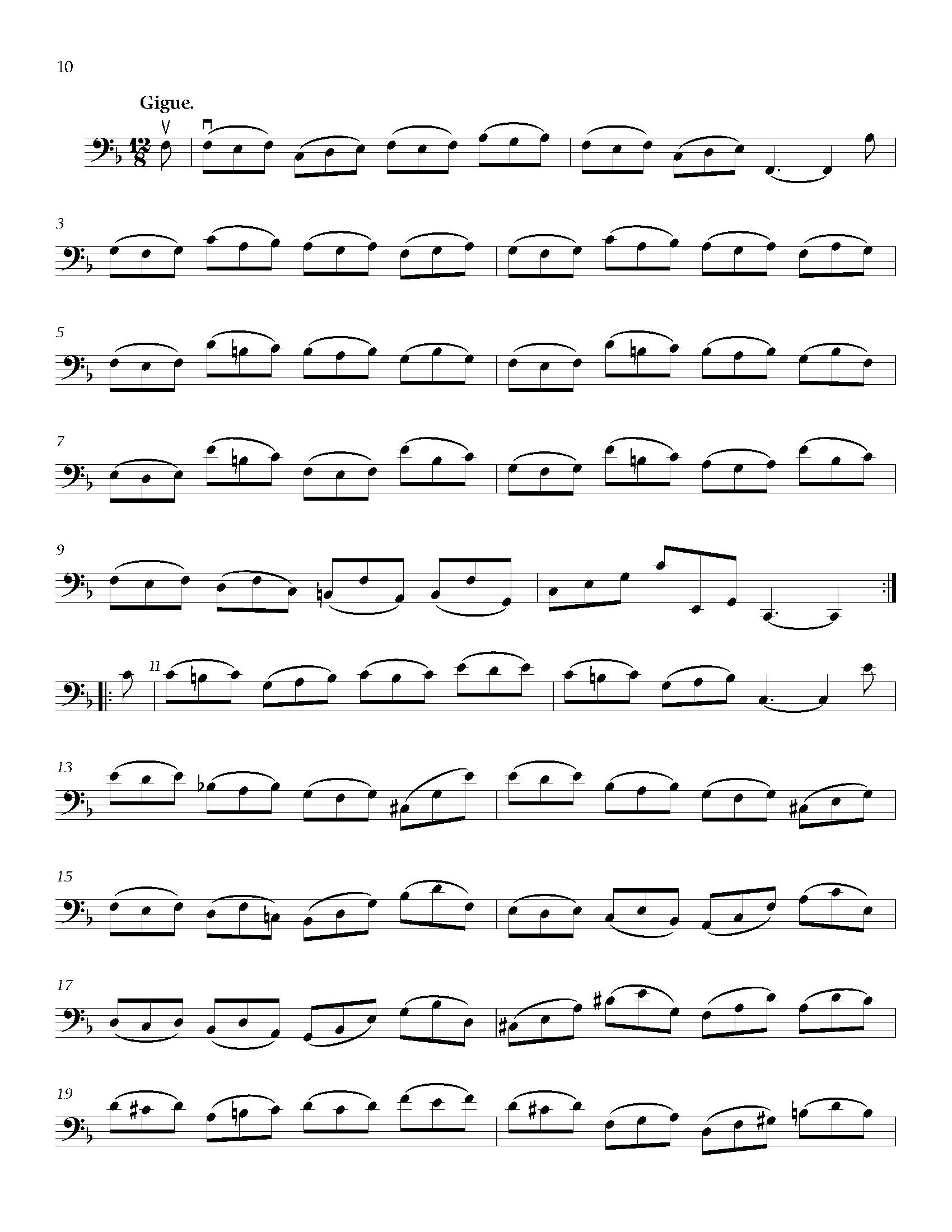
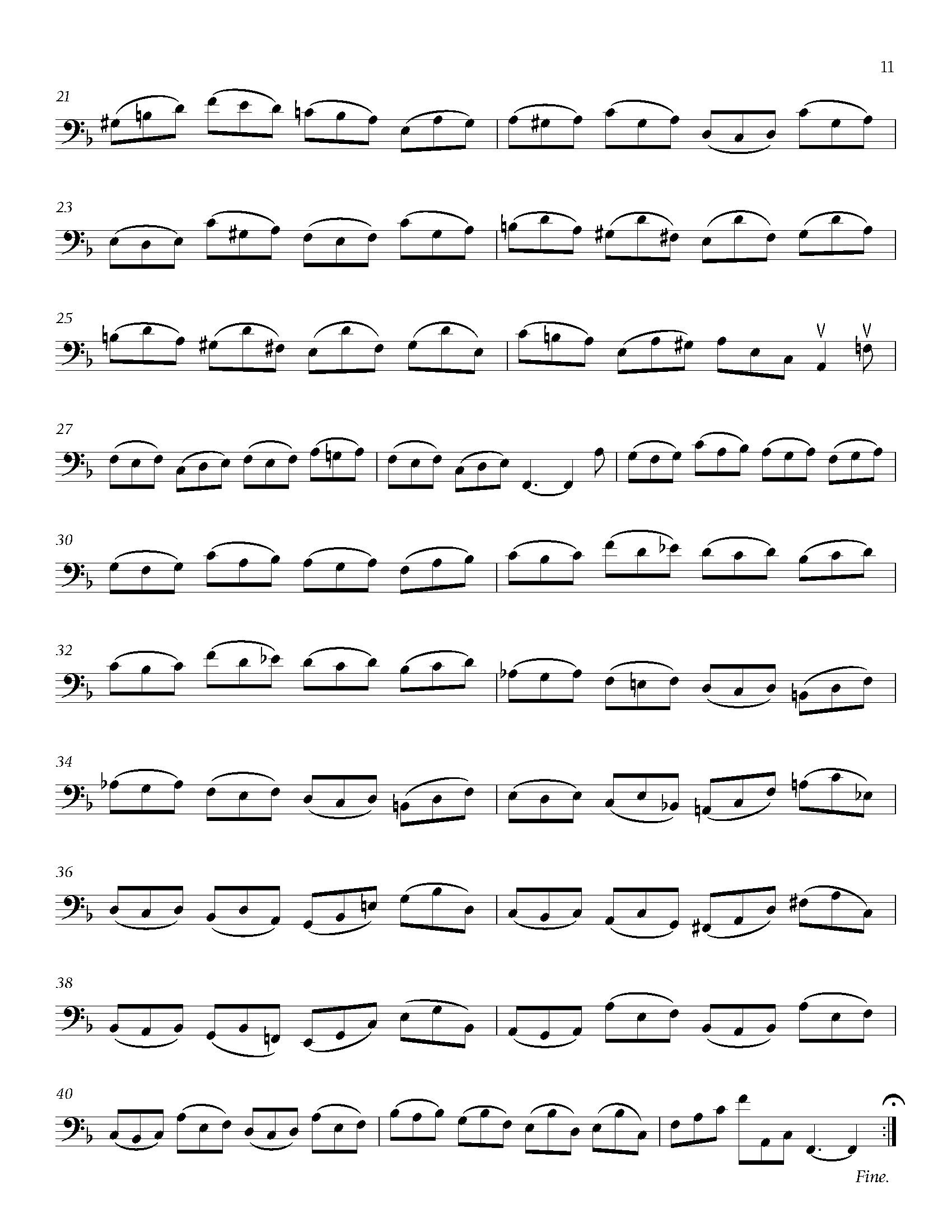
As part of this Homage to Cassadó project, I am including my own version of Bach’s E-flat Suite transposed to F major. This edition is largely based on my Bach Suites Edition. I entered just a handful of notes that Cassadó plays on his recording. The slurring in my edition is still according to Kellner's manuscript, as are the dynamics. Thank you for supporting my work.